
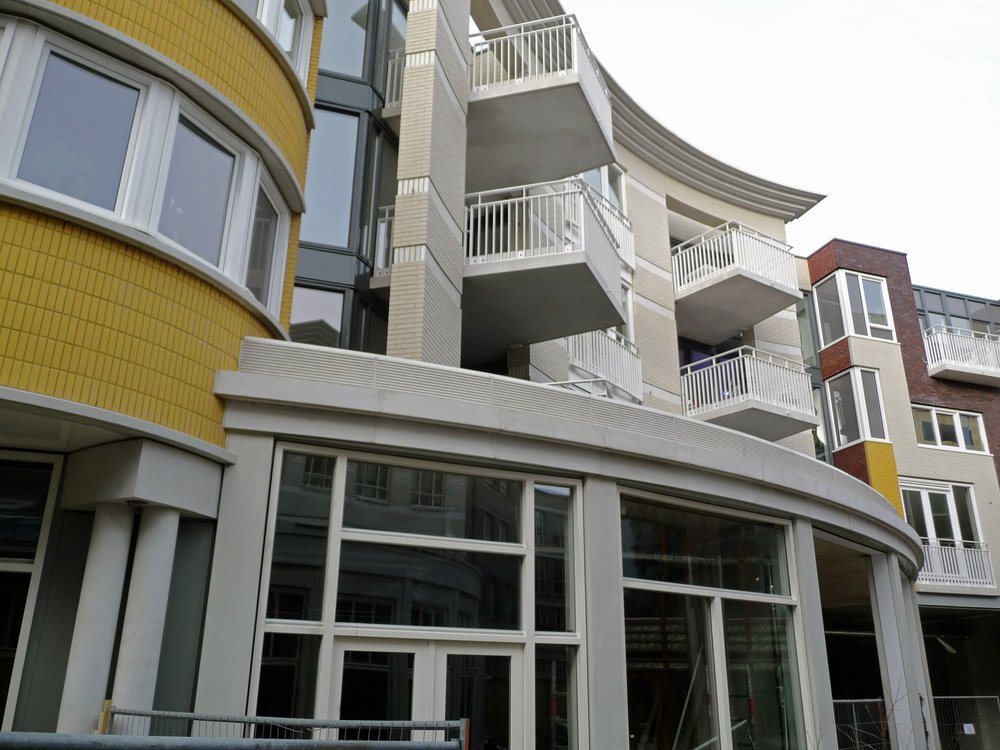
Value management in a corporate real estate portfolio aims to protect and grow long-term returns through regular valuation of assets, repositioning of underperforming properties and optimising leases in line with market conditions. Companies that treat their portfolio as an actively managed investment rather than a passive list of properties make both cash flow and asset value far more predictable.
In this article, we look at how organisations holding multiple offices, warehouses, retail units or residential assets in Türkiye, and in Istanbul in particular, can approach value management, with practical steps covering inventory and valuation, repositioning, rent optimisation and operational risk.
Why value management matters for corporate portfolios
For many companies, real estate holdings build up over the years as a by-product of day-to-day operations: a head office, regional offices, warehouses, shops used as branches or residential units bought as investments. Over time, these assets are often tracked only at their book value in the accounts, while their current market value, efficiency of use and income potential remain out of sight.
This creates a hidden opportunity cost. A property may be let below its real potential, sit partly vacant or lose value because maintenance has been postponed. Value management brings this picture into view and produces a data-driven answer to the question of whether each asset should be held, improved, repositioned or sold. Common warning signs in a portfolio include:
- A significant gap between book value and current market value
- Vacant or underused space that stays that way for long periods
- Leases below market level that have not been reviewed for years
- Deferred maintenance and repairs eroding the value of the building
- Assets whose title, zoning or permitted use is not clearly documented
Portfolio inventory and regular valuation
The first step in value management is a reliable inventory. For each asset, title deed details, zoning status, occupancy permit, current use, lease terms, maintenance history and operating costs should be gathered in a single structure. Without this foundation, any analysis rests on incomplete or conflicting data and can easily lead to the wrong conclusions.
Valuation method and frequency
In Türkiye, real estate valuations are carried out by appraisers and valuation firms licensed by the Capital Markets Board. Valuations typically combine the sales comparison, income capitalisation and cost approaches. For income-producing commercial assets, the income approach is especially important, because every improvement in rental income feeds directly into asset value.
A sound practice is to review the portfolio at least once a year and to revalue key assets in between whenever the market moves significantly. This allows management to take financing, disposal and investment decisions based on up-to-date figures.
From data to decisions
Valuation reports are not an end in themselves. Their real value emerges when they are turned into comparable indicators: rent per square metre, occupancy rate, operating cost ratio and return per asset clearly show which properties contribute to the portfolio and which ones drain resources.
Repositioning: transforming underperforming assets
Some assets gradually stop serving the purpose for which they were acquired. An old warehouse in a central location may be worth far more under a different use as the city around it changes, or a company that has moved to hybrid working may find entire office floors sitting idle. The main repositioning options are:
- Change of use: Converting the property to a function in higher demand, such as office, retail, logistics or mixed use. This must be assessed within the framework of Zoning Law No. 3194 and the relevant municipality's zoning plan.
- Renovation and modernisation: Upgrading technical infrastructure, energy efficiency and common areas to attract a stronger tenant profile and higher rents.
- Subdivision or consolidation: Splitting large spaces into smaller units that match demand, or combining fragmented areas to offer them to corporate tenants.
- Sale and leaseback: Selling a property the company still occupies and leasing it back on a long-term basis, releasing capital for the core business.
- Disposal: Selling assets that have lost their strategic importance and whose improvement costs would not be covered by the expected return.
Each option should be analysed separately in terms of investment cost, expected rental or capital growth, delivery time and the legal permits required. In buildings under condominium ownership, Condominium Law No. 634 and the building's management plan can also directly affect decisions on change of use.
Rent optimisation and lease management
For income-producing assets, rent is the single most important driver of value. Leases in Türkiye are largely governed by Turkish Code of Obligations No. 6098, so optimisation has to be carried out within the legal framework and without damaging tenant relationships.
Benchmarking rents against the market
The rent on every lease in the portfolio should be regularly compared with similar properties in comparable locations. For leases that are clearly below market, renewal periods should be planned well in advance, with the aim of agreeing an update with the tenant wherever possible.
Lease expiry profile and tenant mix
When several leases expire at the same time, the risk of a sudden vacancy gap rises. Spreading expiry dates over several years, avoiding over-reliance on a single tenant or sector, and setting out rent increases, maintenance responsibilities and termination terms clearly in each lease all help to create a more balanced cash flow.
How maintenance, operations and risk affect value
Value management is not purely a financial exercise. In a building that is not maintained regularly, technical problems accumulate, tenant satisfaction falls and both rental and sale values eventually come under pressure. Planned maintenance programmes, building and services inspections and a proper register of fixed assets help prevent unexpected costs.
On the risk side, the key issues are keeping insurance cover up to date, assessing structural condition against earthquake risk and, where space is used as a workplace, complying with Occupational Health and Safety Law No. 6331. In a city with high seismic risk such as Istanbul, structural safety is a decisive factor for both legal compliance and commercial value.
How Yeşilyurt Group can help
Operating in Istanbul since 1995, Yeşilyurt Group brings together its experience in real estate consultancy, construction, renovation, maintenance and legal advisory to support value management for corporate portfolios. We work with organisations on building a portfolio inventory, coordinating valuations, analysing repositioning options and shaping a rental strategy, as one joined-up process.
To learn more about the scope of our work, visit our real estate consultancy page, or get in touch with us for an initial assessment of your portfolio.
Conclusion
Value in a corporate real estate portfolio does not look after itself; it is sustained through regular valuation, deliberate repositioning, active lease management and planned maintenance. Organisations that apply these steps systematically can turn their real estate from a cost line into strategic assets that generate long-term returns.
Frequently Asked Questions
How often should a corporate property portfolio be valued?
It is advisable to review the portfolio at least once a year. Key assets should also be revalued in between when the market moves significantly, or before a sale, financing or investment decision.
What is real estate portfolio management?
Real estate portfolio management is the planned management of an organisation's properties to increase their value and returns. It covers valuation, lease management, maintenance, repositioning and buy or sell decisions.
What can be done if a rent is below market level?
The first step is to plan the lease renewal period and try to agree an update with the tenant. If no agreement is reached, it is advisable to consult a lawyer about the legal options available under the Turkish Code of Obligations.
What is a sale and leaseback?
A sale and leaseback is when a company sells a property it uses and then leases the same property back from the new owner on a long-term basis. It releases capital tied up in real estate for use in the core business.